Proper Food Storage Saves Money

Categories: guest post
Tags: No Tags
Comments: No Comments
Published on: May 14, 2013

image

You have started clipping coupons and have managed to significantly trim your grocery bill. You’ve found ways to save on healthy and nutritious foods, for your whole family. You have even found ways to make healthy foods palatable to even the fussiest of eaters.

So don’t undermine all of your hard work with poor food storage.  It may seem like a no-brainer: frozen food goes in the freezer, cold foods go to cold storage, and everything else goes into the cupboards or pantry.

But did you know that the inside of the refrigerator has warm spots? Or that storing cheese in plastic is not the best idea?

Every day we make seemingly minor food storage mistakes that can lead to faster spoilage and greater waste. And, in the worst case scenario, it can jeopardize food safety.

Keep meats, fish, and poultry in the original packaging, whenever possible. Transferring these items from container to another increases the risk of bacterial contamination, or cross contamination.  However, you can put the unopened meat package inside a sealed plastic bag to prevent juices from dripping onto other foods, or onto the refrigerator shelves.

If food does drip into the refrigerator, clean it up immediately to prevent cross contamination.

If you absolutely must transfer meats to another container, like for freezing smaller portions, transfer them as quickly as possible and freeze them immediately.

If you have to transfer different meats, work with one meat at a time and wipe down surfaces to prevent cross contamination.

Keep soft dairy products, like yogurt, milk or cottage cheese, in their original containers. If you transfer a portion to a serving container, do not return the unused portion to the original package. Either wrap the serving container in plastic or throw the unused portion away.

Keep hard cheeses in the original container until you use them, then wrap them in wax paper before putting them inside a plastic bag. If you are storing the cheese for more than a few days, consider storing it in wax paper only. The wax paper will protect the cheese from exposure to air, which can dry it out; but prevent excess moisture, which can cause mold growth.

Do not wash produce until you intend to use it. Washing can leave moisture on the product, causing faster spoilage when it’s stored in the refrigerator.

Store leftovers and used food in air-tight containers and label them with the date that you packaged them.

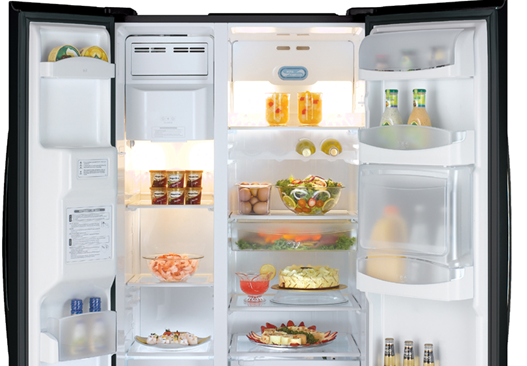
The door, and the area near the light are the warmest parts of the refrigerator. Only use these areas to store items that do not need to be kept at a more constant temperature.

Refrigerate leftovers within two hours of preparation. And allow hot foods to cool inside the refrigerator, not on the counter top.

Periodically clean your refrigerator and pay close attention to the rubber gasket around the door. That gasket is what creates the seal and keeps your food fresh. Dirt on the gasket can disrupt the seal.

Do not overfill your refrigerator. The cold air needs room to circulate to be most effective.   Conversely, keeping your freezer full will actually help it run more efficiently.

Only use your refrigerator freezer for short-term storage – foods that you plan to use within the month. Use a separate freezer for long-term storage, and open it as little as possible to maintain the interior temperature.

The fact is, there are more ways to protect your food investment than can be listed here. But agencies like the UK Food Standards Agency and the US Department of Health and Human Services, both offer a wealth of food safety information for you and your family.

Pest-Proofing Your Pantry

Categories: guest post, pests
Tags: No Tags
Comments: No Comments
Published on: May 10, 2013

image

Nobody wants to see nasty little insects skittering around their cooking and baking supplies. The very idea is enough to make throwing all those valuable food ingredients away seem like a good thing, although that action would certainly be expensive. A better idea is to repel insects and other pests away from every part of your home and your food storage and prep areas are the best places to begin.

Cockroaches are the most disgusting bug you may encounter in your home. They are also the most difficult to get rid of, so it pays to be fastidious when it comes to preventing their entry. Avoid purchasing anything from a resale store or a yard sale since a cockroach may hitch a ride inside if you do. The nasty critters can also hide in the paper bag used to pack your groceries, so check for them when you unpack at home. Roaches are most common in warmer climates, so you are not likely to have them if you live in a northern area with freezing winters.

It is very important to keep all food areas clean with no crumbs or food waste to attract them. You may have resident roaches without knowing it because they rarely show up during daylight hours. If you do see one, it is highly likely that you have a serious infestation. Cockroaches have developed a resistance to insecticides so your best defense may be sticky traps and gel baits. Since Boric acid is toxic to them, dust it in the areas they are most likely to travel.

There are many other beetles and moths of various sizes that will enjoy feasting on your foodstuffs if you do not take proper precautions to prevent it. Storing items such as cereal, flour, dried fruits, rice, nuts and even dog food in containers that can be tightly sealed is important. Large glass jars with lids that seal tightly are best for food storage, but plastic tubs that can be sealed tightly also work well.

Some people report they have eliminated insect problems by storing these items in the freezer. This not only prevents pests from getting into the bags and boxes, but it also kills any weevils or bug eggs that are already in the packages. This prevents any bugs that are present from infesting adjacent containers. Of course, make sure to inspect the contents before using the product and dispose of anything that is contaminated.    And of course, if the above methods don’t work, there is always the option to call an exterminator.

Tips for Buying Organic Food on the Cheap

Categories: cheap, organic food
Tags: No Tags
Comments: No Comments
Published on: May 8, 2013

image

Many people love buying organic food, but the high price tag usually stops them from doing so. However, with a bit of planning, you can enjoy healthy organic foods without going overboard on your food budget. In the following article we look into a few tips for buying organic food without breaking the bank.

Do Your Homework

By doing some research, you will come to realize that you have many choices with organic foods within your community. You just have to look in the right direction. When starting out, begin your research by looking into organic organizations and associations within your state.

Join a Co-op

A food cooperative is a member-owned business that makes groceries along with other products available at a cheaper price to its members. Most of the products that you find in co-ops are organic since a great percentage of their produce is generated from “local family farms”. Is it easy to join a co-op? Absolutely. All you need to do is sign up, usually pay a fee and you’re ready to go. As a co-op member, if you volunteer to work then you might be eligible for some additional discounts on any product you buy.

Buy in Bulk

Regardless of where you’re shopping – whether it’s at the supermarket or at an organic foods store, buying foods in bulk is a nice way to stay on the budget while getting what you want. For example, go straight to their respective bulk containers when buying: nuts, lentils, grains and beans. However, make sure that your kitchen has a cool and dry storage place so that the dry foods can be stored comfortably for a few months. Don’t forget to do the math before you buy anything in bulk – it can get expensive constantly buying in bulk.

Grow Your Own

Are you serious about using organic food on a regular basis? If yes, then plant on your own organic food! It’s not rocket science to grow your organic food. You’ll find that the seeds can bought from your neighborhood health food store or even from the local “seed-saver” community. You don’t have to start big. Begin small since radishes, carrots and beets are fairly simple to grow. If not these, then sprouts and green onions work great too, as they can be easily grown in your windowsill.

Shop Online

It’s okay if you cannot find a good local source for the kind organic food that you’re looking for. You can always get on the Internet and shop for it online. If you can buy common medicines on the Internet from places like the online canadian pharmacy, then why not organic food? In fact, you may be able to find even better variety on the web when it comes organic foods.With just a bit of research you’ll be able to find affordable organic foods that let you shop within your food budget. Remember, as long as you’re shopping wisely, you’re on the right track.

A Minute Saved Is A Minute Earned: Saving Time in the Kitchen

Tags: No Tags
Comments: No Comments
Published on: May 8, 2013

image

What’s for dinner? A time-honored question that plagues mothers everywhere—How do I get a nutritious meal on the table between all the play dates, lessons, and diaper changes? Shaving a little bit of time off your nightly kitchen duty can add up to more fun time with your family around the dinner table or just hanging out. It also means you can serve more nutritious meals and skip the drive-thru lines or desperation cereal dinners.

As with most timesavers, the key to saving time is to plan in advance. 

Mis En Place

A time-honored tradition in professional kitchens–setting up a mis-en-place simply means putting everything in its place. The principle translates well to the home kitchen as well. You can set yourself up for success by staging your cook area ahead of time, measuring out the dry ingredients and putting away their containers so they are out of your way. Staging your prep and cooking area helps keep things tidy and organized, so if the phone rings or the kids raise a fuss you can still keep yourself on track. Setting up a special container for trash and things like skins and rinds can also help speed clean-up–making it easier to fit in play and cuddle time between dinner and bed.

Mixes

Pre-made dry mixes are a great option for last minute treats for birthdays or scout meetings. They take the guesswork out of measuring and make throwing together a homemade treat a snap. Stores like Williams Sonoma and Trader Joe’s sell easy but elegant pre-made mixes. Whenever I find a Williams Sonomo promo code, I make sure to stock my shelves so I am prepared for that last minute bake sale.

Cook All The Things

Planning all of your meals for the week and then prepping them all in one day allows you to focus your time and energy elsewhere while still ensuring that your family sits down to a healthy meal. You can choose a weekend day and make it a full family event or designate a day during the week to play Julia Child on your own. When the weather is right for grilling out you can take the opportunity to grill meat and vegetables for the rest of the week.  Even during winter months you may develop a sauce or two that will work on multiple dishes. You can also pre-slice raw veggies and fruits for salads and snacking and keep them in airtight containers for use throughout the week.

All in one day cooking takes the guesswork out of dinner, so you save those minutes spent in front of the refrigerator trying to throw something together. It’s nice to be able to drive to play dates and lessons without having to face the inevitable drive-thru dilemma as everyone’s tummies start growling. If you’ve fixed it ahead of time, you know you’ve got a fulfilling and nutritious meal for everyone at home.

Cheats

Did you know you can fit a mason jar onto a traditional blender to make quick drinks and smoothies with minimal clean-up? Or that you can freeze chicken stock to make quick soups? Finding small cheats and hacks on sites like Lifehacker prevents you from starting from ground zero when it comes time to prepare a meal. 

Minimizing your time slaving over the proverbial hot stove whether it means prepping your space, your menu, or your cupboard means healthier meals for your family. With the time saved you can take a walk around the neighborhood, hunt down great deals at sites at NerdWallet’s coupon directory, or maybe even find time for a solo bubble bath.

Tablespoon vs. Teaspoon
Categories: tablespoon, teaspoon
Tags: No Tags
Comments: No Comments
Published on: December 30, 2012

image

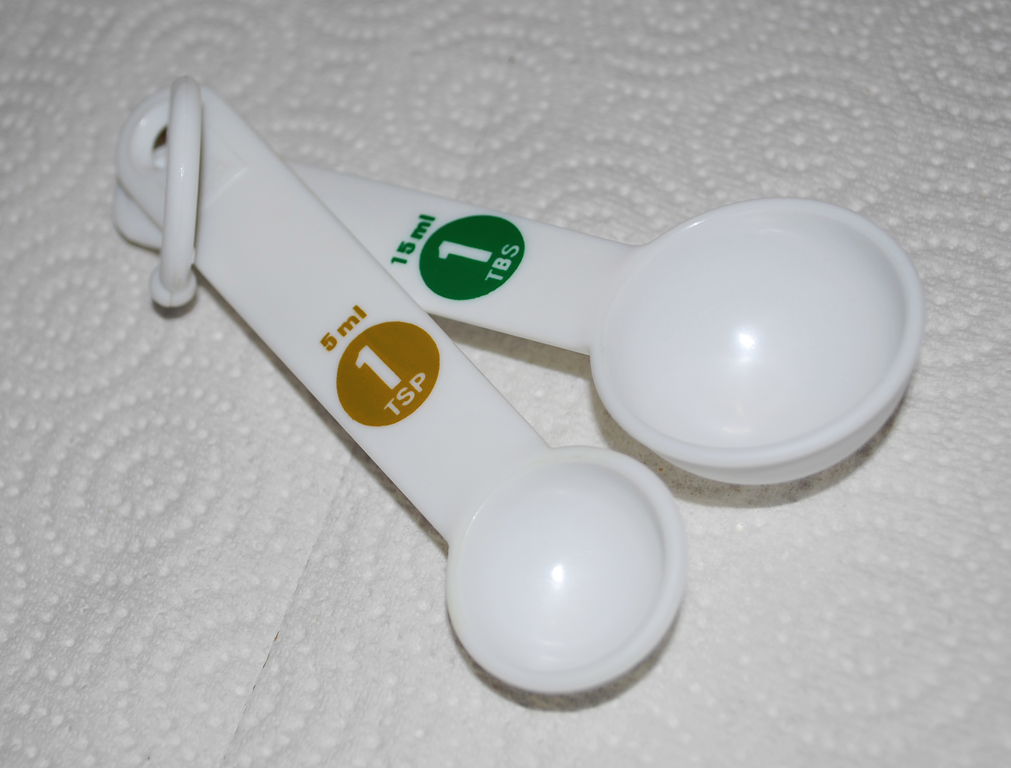
A tablespoon and a teaspoon are both units of measurement used commonly in cooking.

A tablespoon is the larger of the two with 3 teaspoons being contained in a single tablespoon is commonly abbreviated in recipes as TBS.

A teaspoon is the smaller unit of measure and it is commonly abbreviated in recipes as tsp.

page 1 of 8»


Welcome , today is Thursday, May 23, 2013